
Mark notes
Training Card
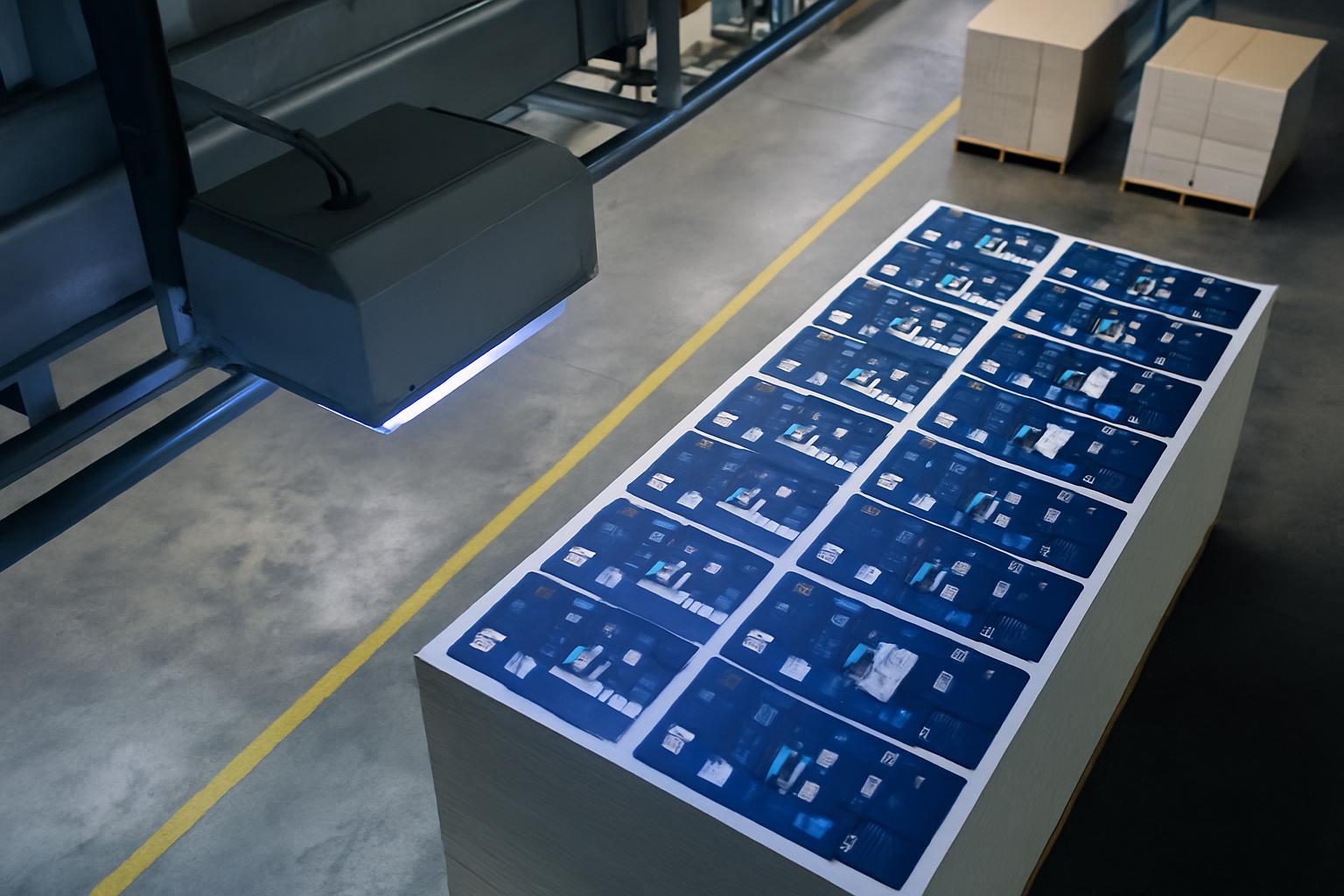
A practical note on training cards used to guide staff on placement, handling and care of branded graphics.
New staff do better with a card they can use on the bench, not a speech they must remember. Training Card turns everyday graphics tasks into a practical checklist for measuring, weeding, masking, packing and site prep.
Training Card is written for bench use in a graphics workshop, not for filing away after induction. The note strips each task down to checks staff can follow while handling vinyl, application tape, cut marks and packed shopfront sets across Gauteng, KZN and the Western Cape.
Bench checks before packing
- Surface type marked on card
- One fitted sample kept with the pack
- Job code shown beside each mark
- Installer, buyer or manager named correctly
Training Card sits alongside the actual supply details for the job. Staff use it to check handling, position and prep, then refer back to the relevant vinyl, mark or shopfront item for size, finish and quantity. That split helps the workshop avoid mixing process notes with stock information.
How Training Card supports vinyl teams fitting brand marks
Training Card gives staff a simple guide for placement, handling, and care of branded graphics. It works well for window vinyl, applied marks, and shopfront pieces that need to stay neat after handover.
Begin with the substrate and the fitting conditions, because a card for a window run is not much use on a painted fascia. Heat on inland glass, Durban moisture, Cape coastal residue and dusty loading bays all affect how staff clean, mask and store branded pieces. In ordinary retail work, one missed check can spoil a full pack.
A good Training Card includes the first visual reference staff will actually look at during production. Keep it near the weeded set, the masking table or the dispatch shelf so placement and care are checked before the bundle leaves the workshop. That matters when a hand-applied mark has to reach site still square, clean and labelled.
What the card helps prevent
Used properly, the card cuts down avoidable workshop mistakes such as reversed orientation, mixed panels and dirty application surfaces. It gives staff one place to confirm the mark name, fit position and packing order before dispatch. For trade graphics, simple checks at this stage matter more than extra layout variations.
Use Training Card with the related notes for shopfront work and mark handling when the scope grows beyond a single vinyl set. Before courier collection, review artwork direction, laminate or unlaminated finish, and the packing count against the card. Vinyl and shopfront jobs are measured from the board size and a straight-on shot of the shopfront.
- Placement notes matched to the actual surface
- First sample checked before full packing
Site conditions staff must note
The card should account for freight handling through OR Tambo, dispatch from industrial areas, ageing painted shopfronts and trading hours at busy neighbourhood centres. Retail graphics do not arrive at perfect blank sites, so the note must record what staff are likely to face. Where a chain pack is being repeated, that should be shown clearly to avoid copying an old error into a new run.
Coastal work often needs stricter cleaning notes because salt residue can affect adhesion on windows and panels. Inland jobs usually call for dust checks before masking and final packing, especially where workshop doors stay open through the day. Loadshedding also changes when printing, trimming and taping can be completed, so the card should reflect the actual production sequence.
Operated by Astros Marketing (Pty) Ltd from 2 Makro Place, Sunnyrock 1401.
Where Training Card stays useful
A practical note on training cards used to guide staff on placement, handling and care of branded graphics.
Keep the note with the live job file while the details of the marks, positions and handling steps are still current. It works best when stored with the material list and any fitting reference so staff can trace what was cut, packed and sent to site. For repeat retail work, that record is often more useful than relying on memory from the previous install.